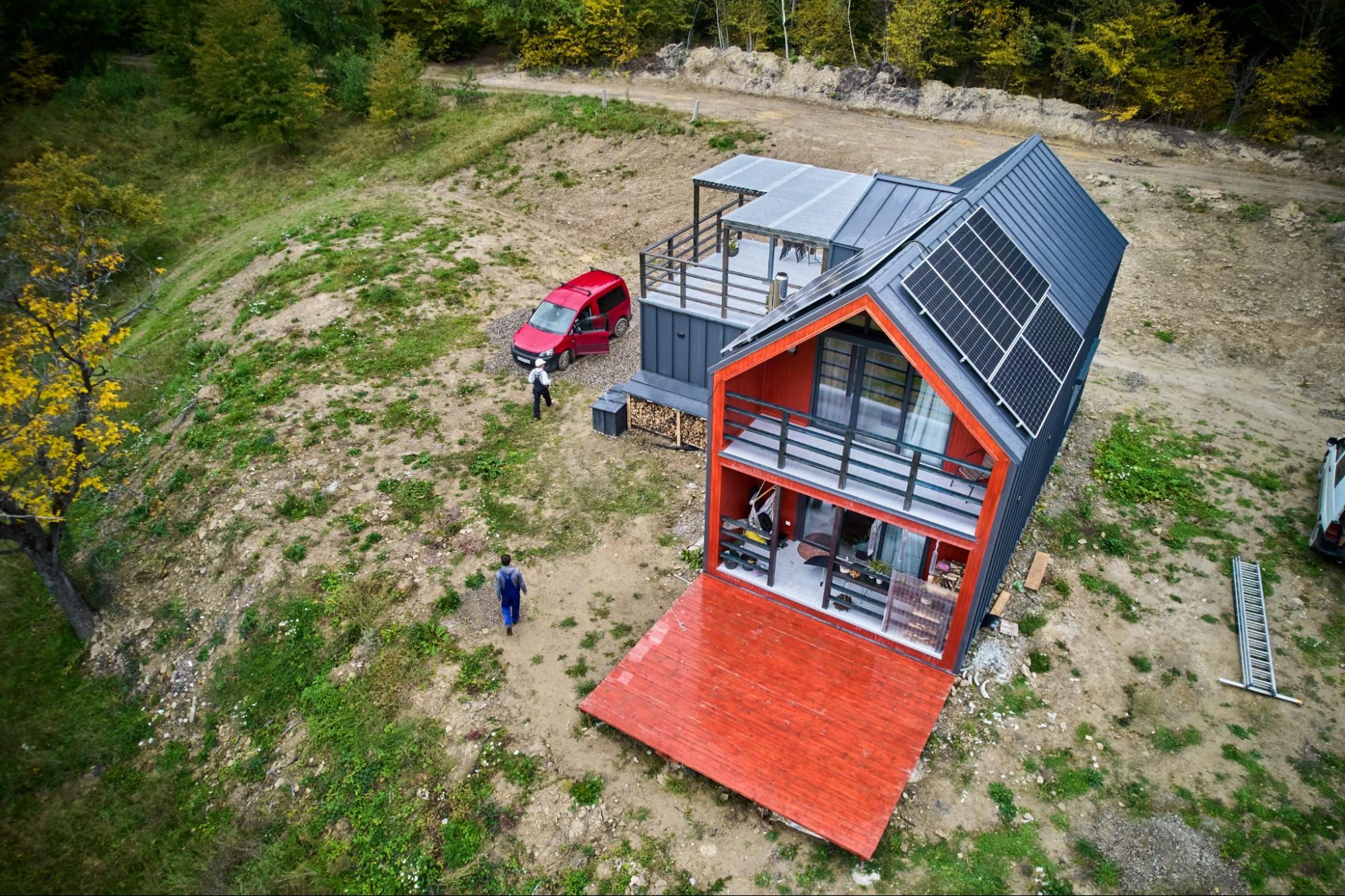
The importance of electrical panels in modern installations
Electrical panels, also known as distribution boards or control panels, play a crucial role in the management and distribution of electricity in residential, commercial, and industrial buildings. They are the heart of the electrical system, ensuring the safety, efficiency, and reliability of the electrical supply. This article explores the various functions, types, and benefits of electrical panels, as well as their importance in modern installations.
Function of Electrical Panels
Electrical panels are designed to distribute electricity from the main source to various secondary circuits in a building. They perform several essential functions:
Electricity distribution: The panels distribute the power supply evenly and securely to various circuits, ensuring that every part of the building receives the necessary energy.
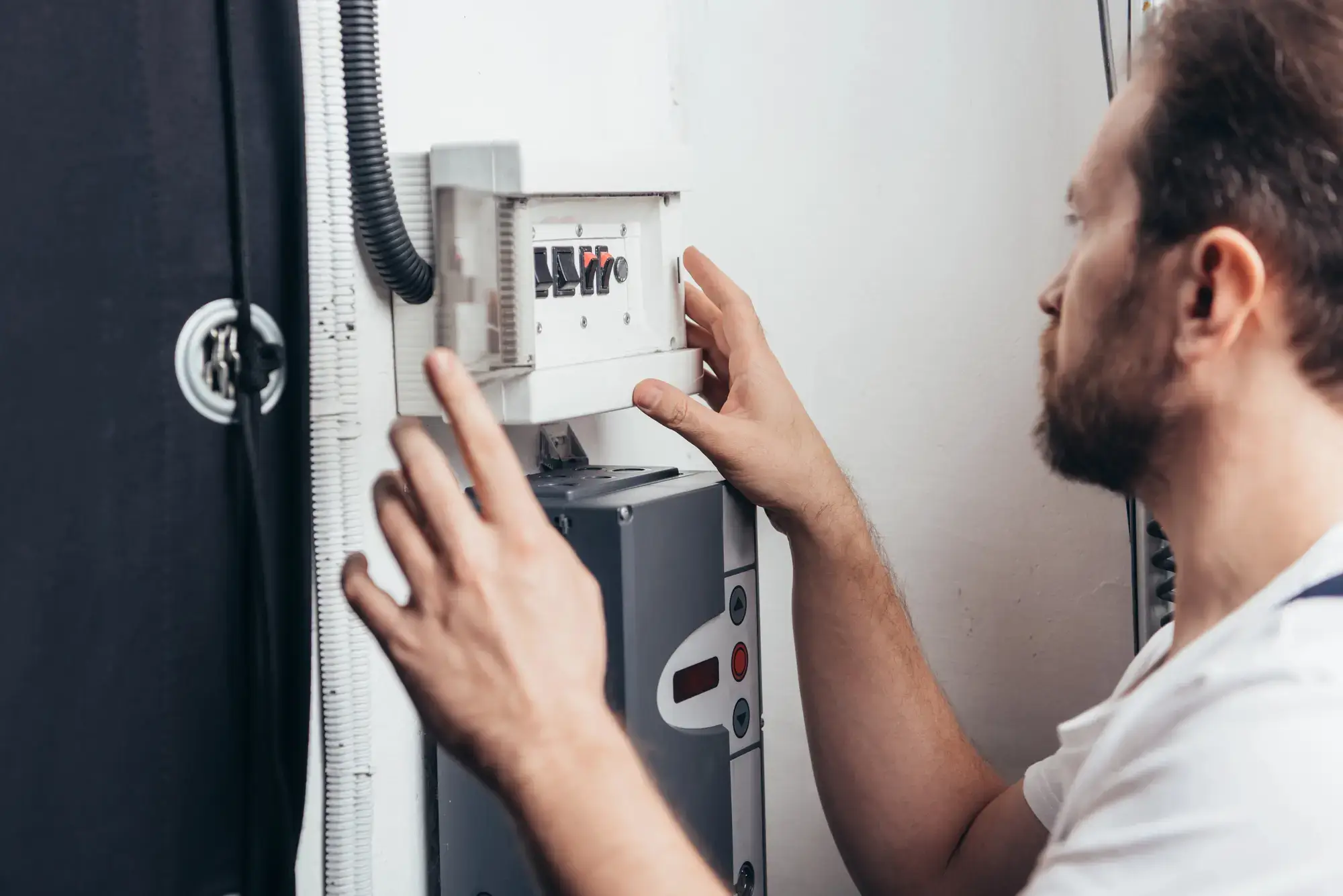
Protection: Equipped with circuit breakers and fuses, panels protect circuits from overloads, short circuits, and other electrical anomalies, thus preventing fires and property damage.
Control: They allow the electrical supply of various circuits to be controlled, facilitating maintenance work and repairs without interrupting the entire electrical system.
Types of Electrical Panels
There are several types of electrical panels, each adapted to specific needs:
Main panels: They receive electricity from the main grid and distribute it to sub-panels and individual circuits. These are usually the first points of control and protection.
Sub-panels: Used to extend the electrical network into specific sections of a building, such as a garage or extension, without overloading the main panel.
Distribution panels: Commonly used in commercial and industrial environments to manage the distribution of electricity to specific equipment and machines.
Control panels: They incorporate control devices for heating, ventilation and air conditioning (HVAC) systems, production equipment, and other automated systems.
Advantages of Modern Electrical Panels
Modern electrical panels offer several advantages over older models:
Increased safety : Technological advances have allowed the integration of more sophisticated safety devices, reducing the risks of electrical breakdowns and accidents.
Energy efficiency : Modern panels are designed to optimize energy consumption, thus reducing energy costs and the carbon footprint of buildings.
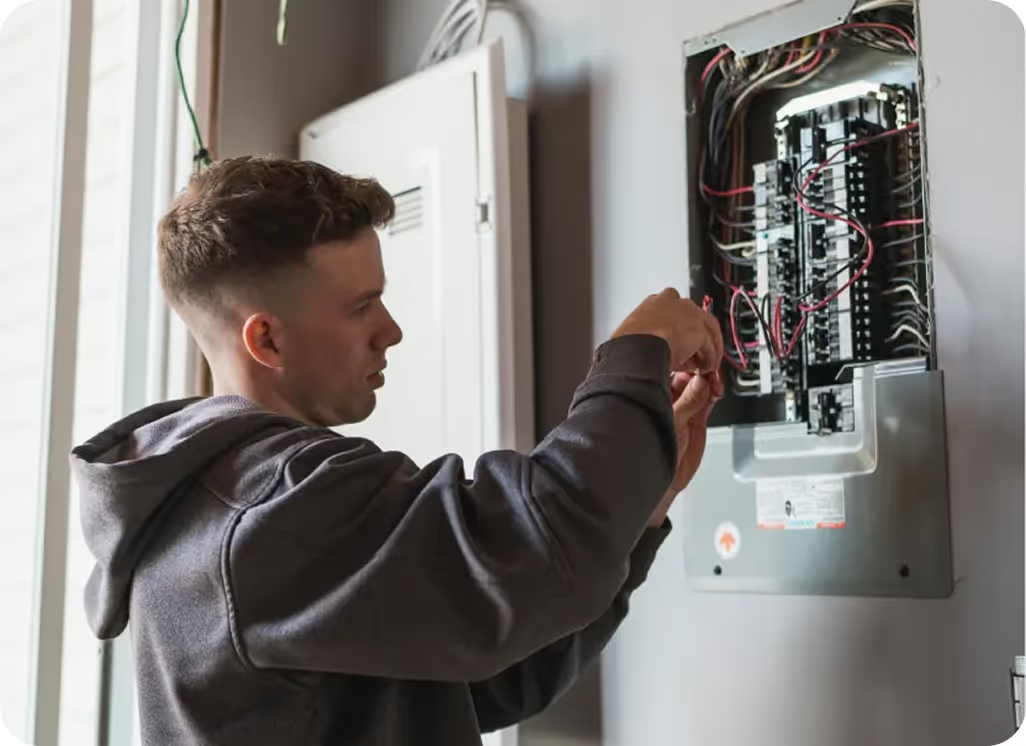
Ease of maintenance : With modular components and a clear layout, modern electrical panels facilitate maintenance interventions and upgrades.
Integration of renewable energies : They are compatible with renewable energy systems, such as solar panels and wind turbines, allowing for a smooth transition to more sustainable energy sources.
Importance of Electrical Panels in Modern Installations
Electrical panels are essential to ensure the proper functioning of modern electrical installations. Their importance is expressed in several ways:
Power supply reliability: By ensuring stable and continuous electrical distribution, electrical panels prevent interruptions and failures, which are crucial for industrial and commercial operations.
Occupant safety: By protecting against electrical anomalies, panels reduce the risks of fires and electric shocks, ensuring the safety of residents and workers.
Regulatory compliance: Modern panels meet strict electrical safety standards and regulations, ensuring that installations comply with legal requirements.
Flexibility and scalability: With the increase in energy needs and the integration of advanced technologies, modern electrical panels offer the flexibility to adapt to changes and expansions.
Conclusion
Electrical panels are indispensable elements in the management of electricity in modern buildings. Their role in the distribution, protection and control of the electrical supply is essential to ensure the safety, efficiency and reliability of installations. As technologies evolve and energy requirements increase, the importance of electrical panels will only grow, consolidating their place as a key component of electrical infrastructures.
Author:
Éric Gagné
is the founder and president of ERCO, a company specialized in residential generators and energy solutions, which he founded in 2017. With extensive field expertise, he assists owners in choosing, installing and optimizing reliable and sustainable emergency power systems, adapted to today's climate and energy realities. Recognized for his mastery of generators, electrical infrastructures and natural energy solutions, Éric focuses on the performance, safety and peace of mind of customers. Present in both Quebec and Florida, through his articles, he shares practical advice, a concrete vision of the field and a thorough understanding of the issues related to residential energy independence.



.avif)