Product added to cart!
View Cart
Rentabilisez votre toit et réduisez votre dépendance au réseau d'Hydro-Québec grâce à un système sur mesure.
Parler à un expertLooking to protect your home from power outages? Whether it is to maintain heating in winter, preserve your food or ensure the comfort of your family, choosing between an automatic generator and a portable one is an important decision.
This guide explains the advantages and limitations of each type, how they work, and how to determine the Better option according to your situation. You'll quickly understand which system is right for your needs without getting lost in technical details.
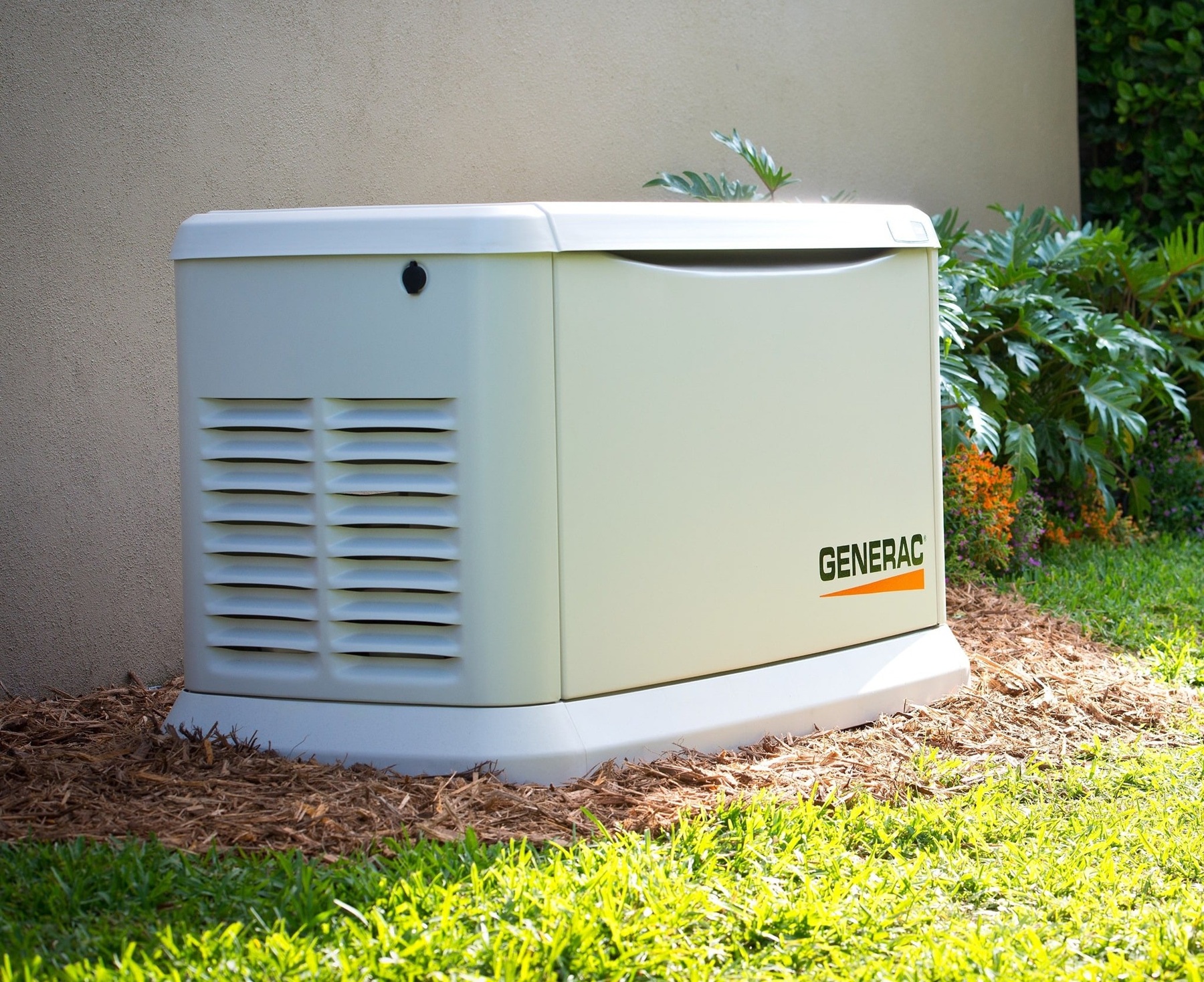
An automatic generator is installed permanently outside your home, usually near the Electrical panel. It connects directly to your system via an automatic transfer switch that detects failures instantly.
As soon as an interruption occurs, the system starts up in 10 to 20 seconds without any intervention on your part. The transition is so fast that you barely notice the cut. The system runs on natural gas or propane via a permanent tank, eliminating any fuel supply issues.
This type is particularly suitable for people who are absent frequently, for residences with medical needs that require constant nutrition, or for those who seek total peace of mind according to the standards of the Régie du Bâtiment du Québec.
A portable generator is an autonomous device on wheels that you store in your garage or shed. You take it out and start it manually when a failure occurs. It works with gasoline or propane via portable tanks.
To safely power your home, a transfer connector installed by an electrician allows you to connect the generator to your electrical panel. This installation respects electrical standards and protects Hydro-Québec workers against dangerous current returns.
The main advantage is its versatility. You can use it at the cottage, on a construction site, lend it to a family member, or resell it if you move.
Full standalone operation : Are you traveling or asleep? The generator automatically starts up and keeps your home powered Your security, refrigerator, and heating systems continue without interruption.
Powerful power supply : These models generally offer enough power to power almost all of your devices simultaneously. You live normally during the outage with functioning air conditioning, stove, and water heater.
Permanent fuel : Connected to natural gas or a large propane tank, it never runs out of fuel. No need to store flammable gas cans in your garage.
Ongoing protection : It protects your home 24 hours a day, especially reassuring for second homes. Your pipes won't freeze, your sump pump will keep working.
Outstanding versatility : Use it for your cottage, tools on an outdoor construction site, events, or to help a neighbor. It follows you wherever you need it.
No ongoing commitments : If you move, she moves with you. If you no longer need it, you can easily resell it. It is not attached to a property.
Simple installation : With a transfer connector, installation takes a few hours. You don't need a gas connection or major work on your land.
Direct control : You decide when to start, how long to run it, and which circuits to power. This flexibility makes it possible to save fuel during short breakdowns.
| Situation | What it means | What to choose |
| Frequent absences | You are not there to start it manually | Automatic generator recommended |
| Medical needs | Critical power supply | Automatic generator essential |
| Presence at home | You can intervene during outages | Portable generator is sufficient |
| Multiple use | Needed at the cottage and at home | Versatile portable generator |
| Frequent prolonged outages | More than 3 long outages per year | Automatic generator justified |
First, assess the frequency and duration of outages in your area. Consult your municipality or Hydro-Québec for the history of interruptions. If you regularly experience outages lasting more than 4 hours, An automatic gets more interesting.
Consider your lifestyle. Do you travel often? Do you have vulnerable people at home? Do you work from home and rely on a stable internet connection? These factors greatly influence your choice.
Check the municipal regulations concerning the installation. Some municipalities require minimum distances from property lines to reduce noise. A permit is generally required for permanent installation.
Visit RBQ certified contractors for an automatic one, or to compare cell phones. Ask for recommendations based on your real situation, not generic estimates.

Neglecting maintenance drastically reduces reliability. A generator that does not start during a failure in the middle of winter is worthless. Run your laptop for 15 minutes every month and schedule annual professional maintenance for an automatic one.
Forgetting the license can cancel your insurance. Any permanent installation requires a municipal permit and An electrical inspection according to the standards of the CMEQ. Directly plugging in a portable generator without a transfer connector is dangerous and illegal.
Storing gasoline indoors creates a major fire risk. Store a maximum of 25 liters in approved containers, in a detached and well-ventilated shed. Always position your generator outside, at least 3 meters from any opening to avoid carbon monoxide.
The choice between an automatic generator and a portable generator depends on your lifestyle, your presence at home, and your priorities. For the majority of Quebec owners who are present regularly and face occasional breakdowns, a quality portable generator with a transfer connector represents the Best compromise between protection and flexibility.
If your situation requires a guaranteed power supply in all circumstances, the investment in An automatic generator will give you incomparable peace of mind.
If you want to assess your emergency power needs or get recommendations on the type of generator that's right for your home, our team can guide you. Contact ERCO today to discuss your residential generator project in Quebec.
.png)