Buy a standby generator and enjoy six (6) months without payment or interest!
Some conditions apply*
Here's what you need to remember about electrical panel standards in Quebec:
The electrical panel represents the heart of your home's electrical system. It is he who distributes the current in each room and protects your circuits against dangerous overloads.
In Quebec, the installation and maintenance of this vital equipment are governed by specific regulations that every owner should be aware of. Understanding these requirements isn't just about legal compliance — it's more about keeping your family safe and protecting your assets.
This guide clearly explains the standards to be met for your residential electrical panel and why they are essential.
In Quebec, the standards for residential electrical panels are dictated mainly by the Building code, which incorporates the Canadian Electrical Code. These rules cover all aspects of your installation: the location of the panel, its minimum capacity, the types of components allowed, and the approved installation methods.
The central objective of this regulation is simple: to guarantee a safe operation of your electrical system and prevent accidents that can have dramatic consequences. Respecting these standards ensures that your installation can handle the electrical load of all your devices without danger.

La Quebec Building Authority (RBQ) ensures the rigorous application of the Construction Code throughout Quebec. This code sets strict standards for all electrical installations, including your residential distribution panel.
These regulations are changing regularly to adapt to new technologies and the growing energy needs of modern homes. Ignoring these rules exposes your family to significant risks and can lead to serious legal complications, especially during a sale or in the event of an insurance claim.
The only way to ensure that your panel is fully compliant is to have all the work done by a master electrician. Ce certified professional masters the latest versions of the code and has the expertise necessary to carry out a thorough inspection or an installation that meets all current standards.
Electrical standards are more than just red tape — they are designed first and foremost to protect your life and the lives of your loved ones. A non-compliant or aging electrical panel is one of the main causes of electrical fire risks in Quebec homes.
The dangers of a non-compliant sign include:
That is why it is absolutely essential to ensure that your electrical system always meets current requirements. This vigilance protects your family and preserves your real estate investment.

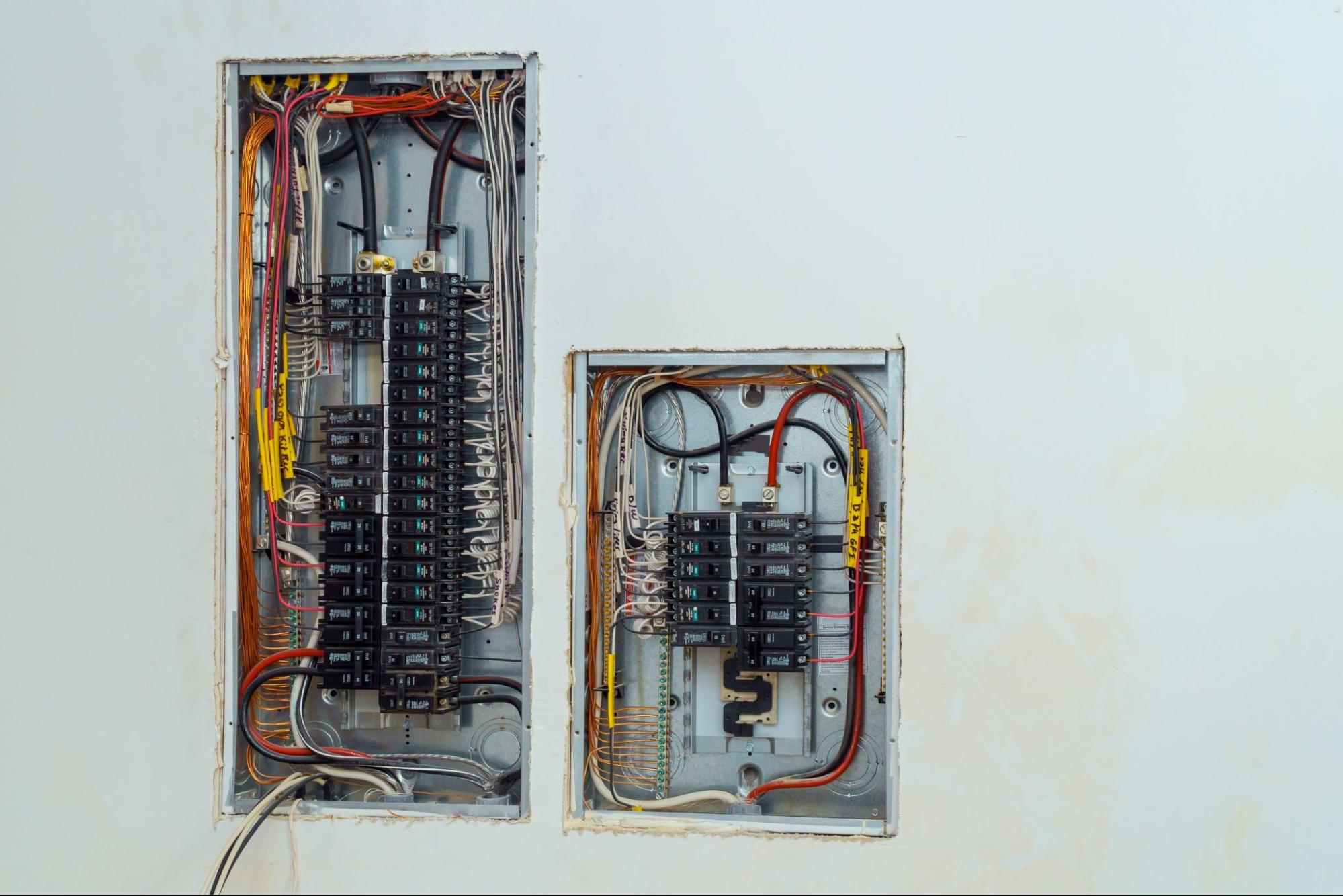
In Quebec homes, there are mainly two types of distribution panels: circuit breaker panels And the fuse panels. Today, the choice between the two is quite obvious, since current standards very much favor one technology over the other.
The circuit breaker panel has become the essential standard in all new constructions and major electrical renovations. Fuse panels, on the other hand, are still found in some older homes, but are considered outdated.
The circuit breaker panel is the modern control center of your electrical system. It receives electricity from the main power supply provided by Hydro-Québec and distributes it intelligently into the various circuits in your home. Each circuit is protected by its own individual circuit breaker.
The operation of a circuit breaker is both simple and remarkably effective. When an overload or short circuit occurs, the corresponding switch is automatically triggered, immediately cutting off the current on this line only. This quick action protects your expensive devices and prevents the risk of dangerous overheating.
Unlike a fuse that needs to be replaced after each trip, a circuit breaker can simply be manually rearmed once you have resolved the problem that caused the overload.
Fuse panels are still found in some built houses Before the 1960s. Their operation is based on a small metallic filament inside each fuse that melts when the current that passes through it exceeds its capacity.
Although these panels have served their purpose for decades, they have several major disadvantages according to current standards. The main risk is that homeowners sometimes replace a blown fuse with one of the wrong amperage, which can result in dangerous overheating electrical wires. In addition, they are generally unsuited to the energy demands of modern appliances and systems of electric heating.
One Electrical panel, also called a distribution board, contains several panel components that work together in a coordinated manner to safely distribute electricity from the main power supply to all circuits in your home.
To ensure a optimal and safe operation, each element must meet specific requirements established by the electrical code. Essential elements include individual circuit breakers, an efficient ground terminal, distribution bars, and differential switches for certain sensitive areas such as the bathroom.
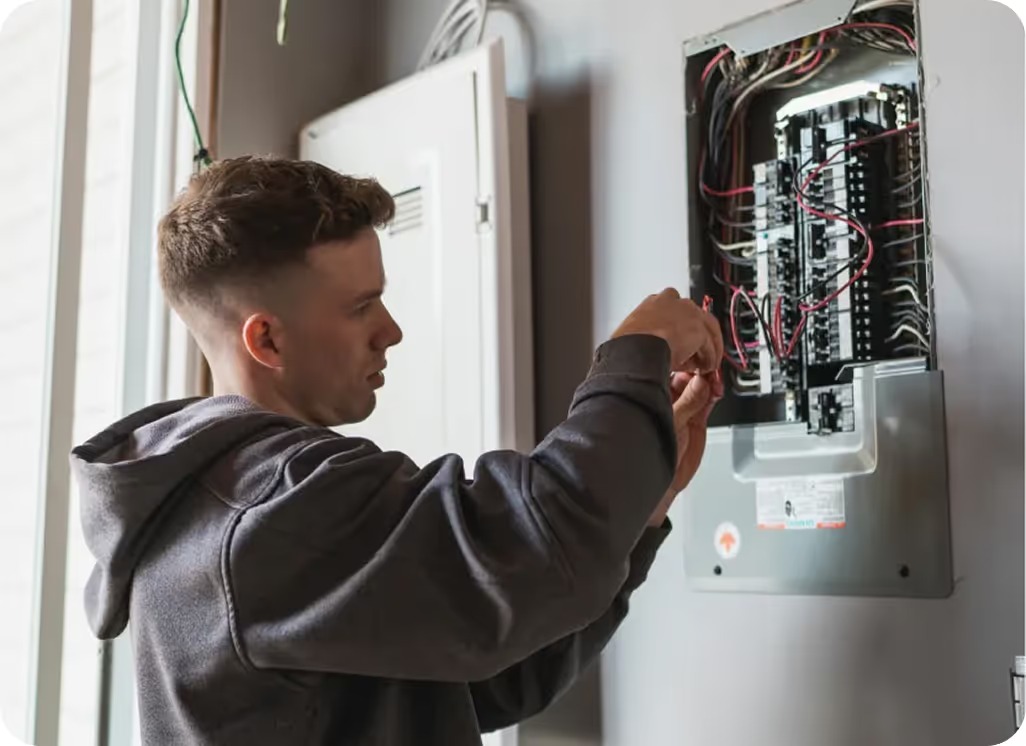
The capacity of your electrical panel, measured in amps (A), must absolutely be sufficient to meet all your energy needs without risk of overloading. With the proliferation of modern electrical devices — air conditioners, charging stations for electric vehicles, high-power appliances — the old 60- or 100-amp panels are now largely outdated.
Today, the standard set for a typical residential home is a panel from a minimum capacity of 200 amps. This power not only allows you to safely power all of your current devices, but it also allows you to anticipate your future needs without requiring a costly upgrade.
To ensure a reliable and safe installation in the long term, it is imperative that all the hardware and components of your electrical panel are officially certified. In Canada, the most recognized certification is that of the CSA (Canadian Standards Association).
A product bearing the CSA seal has been rigorously tested in the laboratory and meets strict safety and performance standards. Using non-certified components may seem economical in the short term, but this false economy seriously compromises the safety of your entire electrical installation.
The RBQ explicitly requires that all electrical installations be carried out only with compliant and certified equipment. A master electrician will exclusively use certified components of recognized quality and will ensure that the complete assembly scrupulously respects the Quebec Electrical Code.
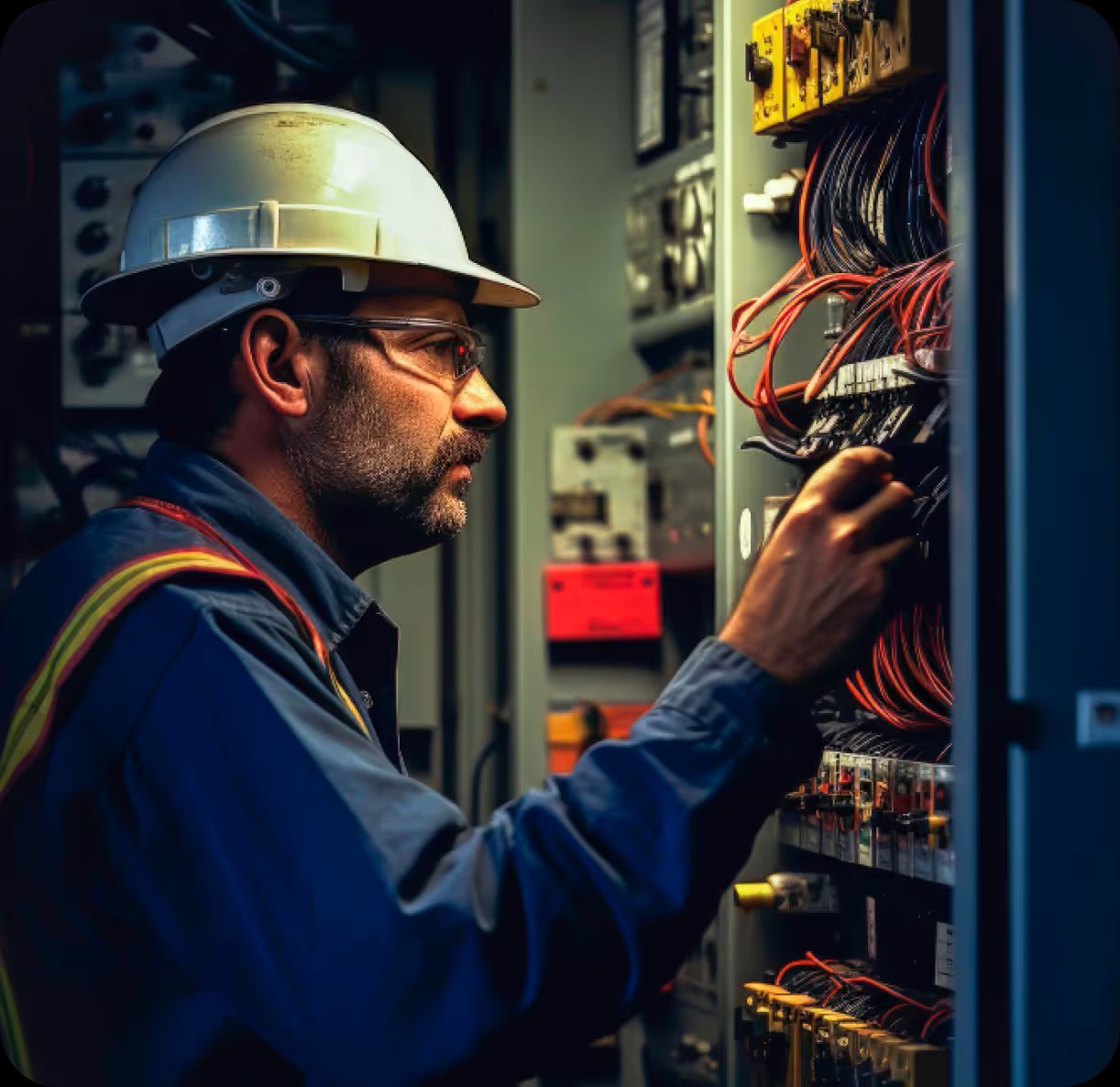
Installing an electrical panel Definitely not a DIY project. To ensure a reliable and safe installation, this complex task must always be entrusted to a certified professional.
Likewise, a regular maintenance and periodic inspection by a qualified electrician are essential to ensure that your system continues to function optimally. Over time, electrical connections may become loose or some components may gradually wear out.
In Quebec, the law is perfectly clear: only master electricians who are members of the Corporation of Master Electricians of Quebec (CMEQ) are legally authorized to perform installation or modification work on a residential electrical panel.
This strict regulation is intended to ensure that all interventions meet the province's stringent safety standards. A master electrician not only owns the advanced technical skills, but also a thorough and constantly updated knowledge of the Quebec Electrical Code.
Attempting to make these changes yourself is not only illegal, but also extremely dangerous for you and your family. You are exposing yourself to serious risks of electric shock, fires, and costly breakdowns.
Your electrical panel can send you clear signals when it needs professional maintenance or a comprehensive upgrade. Ignoring these warnings can dramatically increase risks of dangerous overloads and serious electrical incidents.
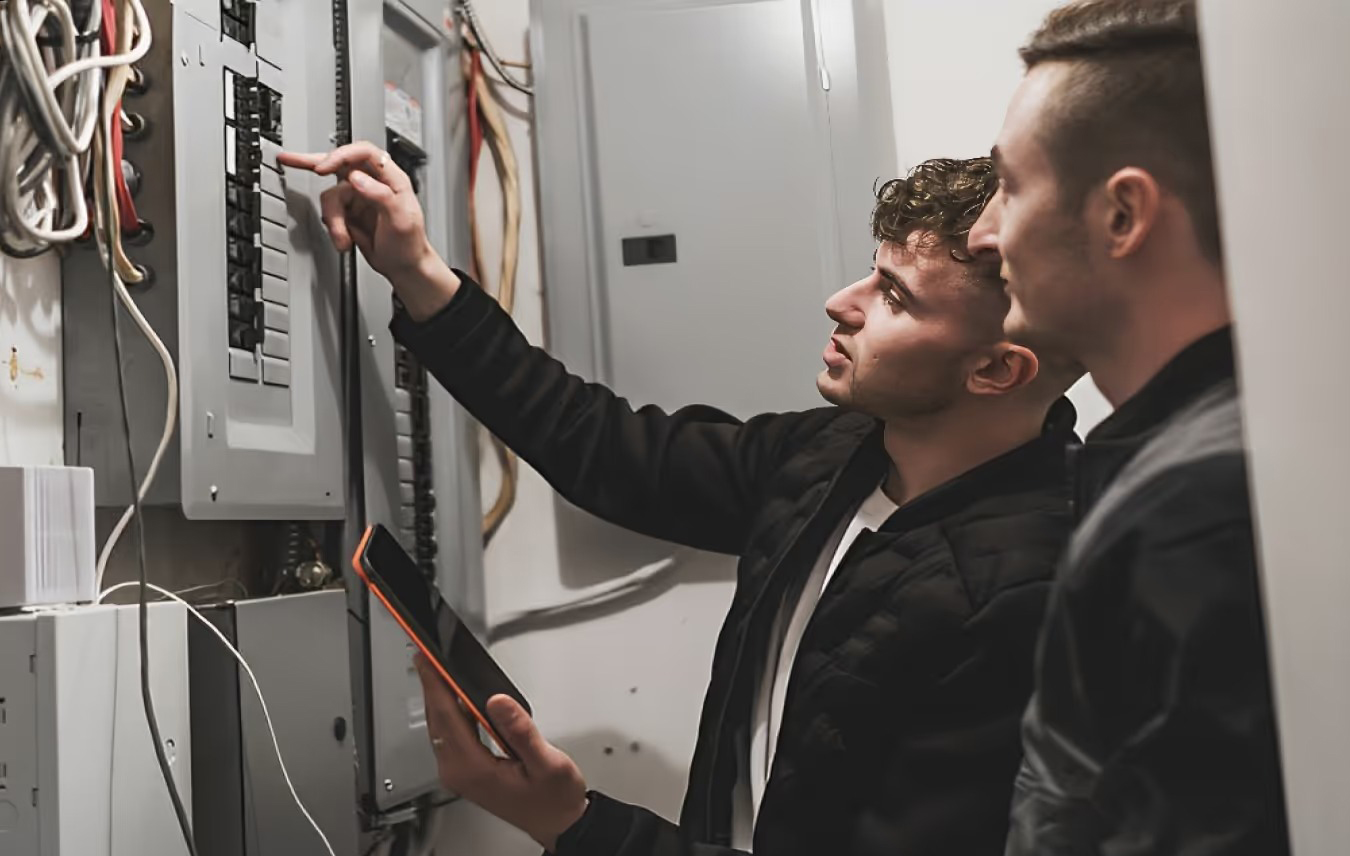
One of the most common indicators is the frequent tripping of circuit breakers for no apparent reason. Lights that blink inexplicably, crackling noises coming from the sign, or the smell of burning are alarm signals that require a immediate intervention.
Pay particular attention to the following signs:
Understanding and complying with residential electrical panel standards in Quebec is much more than a legal obligation — it is an essential investment in the safety and well-being of your family. An electrical panel that meets current standards protects you against fire risks, dangerous overloads and costly breakdowns.
Professional installation and regular maintenance by a certified master electrician represent the only reliable approach to ensure the optimal safety of your electrical system. Never let the price discourage you from doing the necessary work — the consequences of a faulty or non-compliant panel are infinitely more expensive.
If you have any doubts regarding the condition or conformity of your electrical panel, do not wait for a problem to occur. A preventive inspection can identify potential risks and give you the peace of mind your family deserves.
At ERCO, our CMEQ certified master electricians have the necessary expertise to assess the condition of your electrical panel, identify potential risks and recommend solutions adapted to your needs. We intervene quickly everywhere in Quebec to ensure the safety and compliance of your residential electrical system.
Contact us now to schedule your inspection or get a free quote. Your electrical safety is our priority.