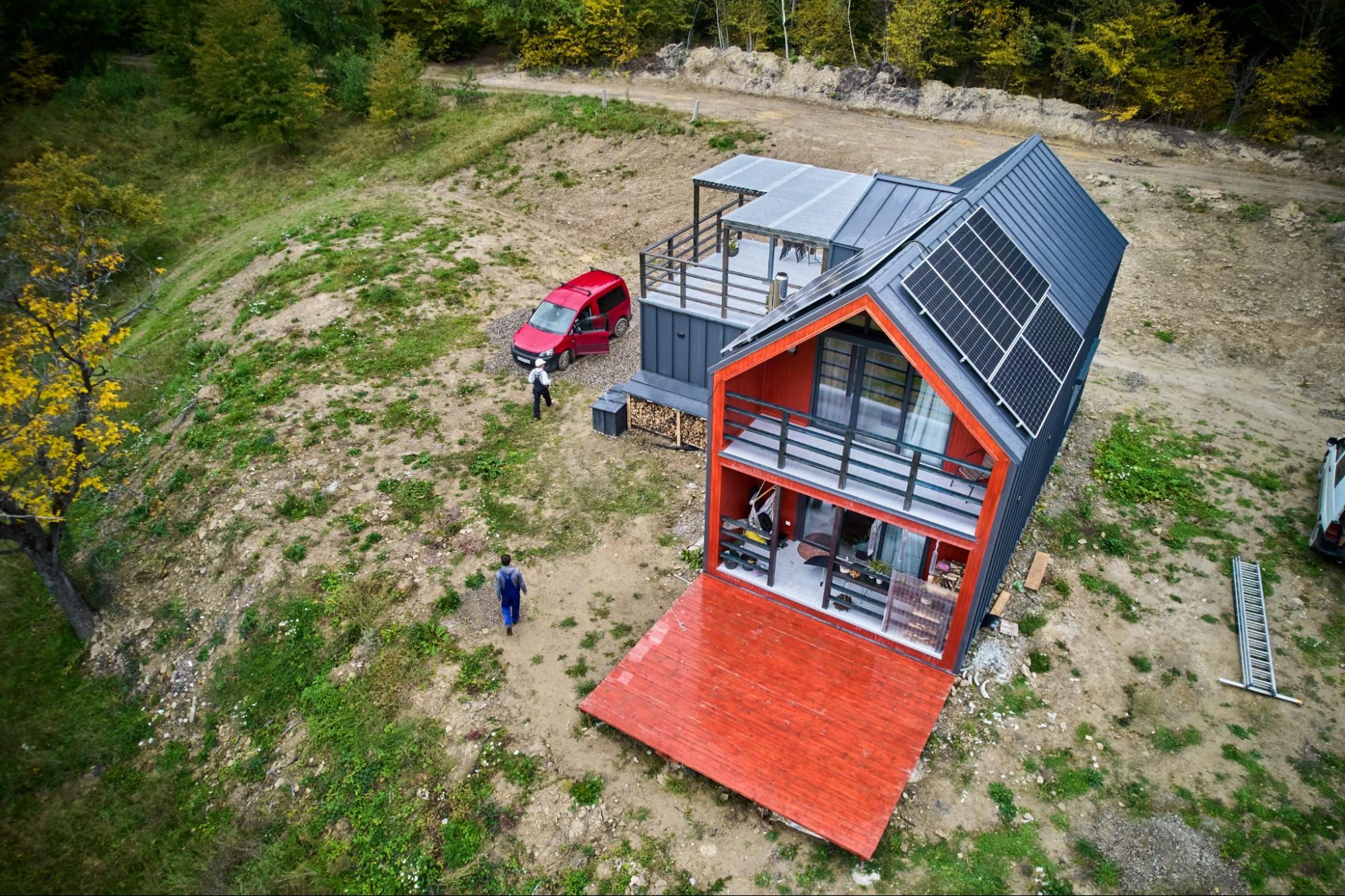
Buy a standby generator and enjoy six (6) months without payment or interest!
Some conditions apply*

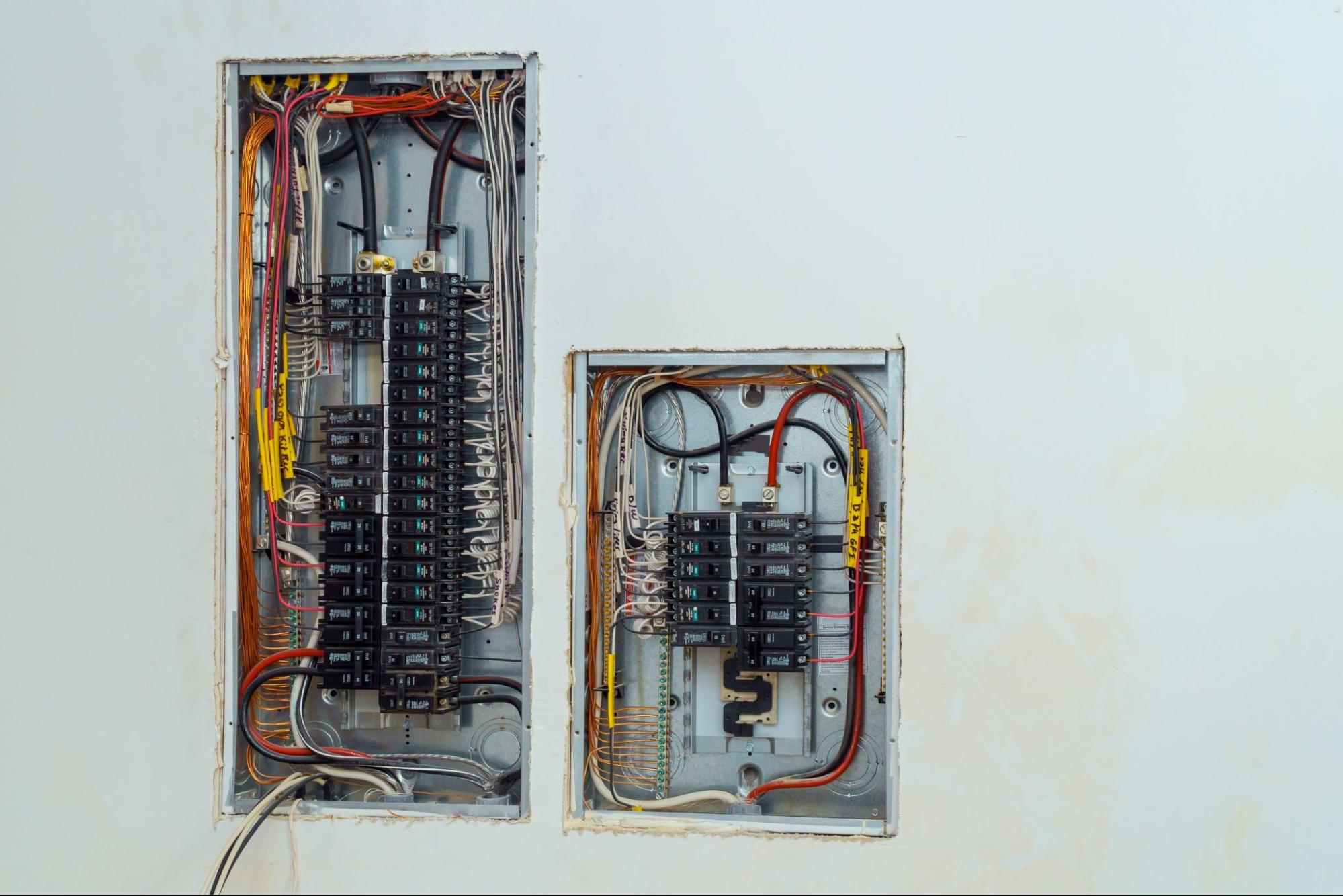
Your electrical panel acts as a conductor in your home. It is he who distributes the current to each room and protects you from dangerous overloads. But what if its power is no longer enough for your daily needs? Circuit breakers that are constantly blowing, lights that flicker, or even worse, risks to your safety.
Understanding the power required for your panel is not just a question of electrical comfort. It is a fundamental security measure to protect your family and your assets. In this guide, we help you assess your real needs and ensure that your electrical installation meets the requirements of your lifestyle.
The power of a Electrical panel Represents the maximum quantity of electricity that your home can consume simultaneously. Expressed in kilovoltamperes (kVA) or kilowatts (kW), this capacity establishes the limits of your current consumption at a specific time.
When the power demand of your devices exceeds what your panel can provide, the system reacts immediately : the circuit breakers trip and cause a power outage. This protective reaction prevents electrical wires from overheating and the risk of fire.
Choosing the right wattage for your panel is therefore not a technical detail, but a fundamental step in ensuring a stable power supply. An undersized panel exposes your home to repeated failures, damages your sensitive electronic devices, and represents a real risk to the safety of your family.

The Electrical panel fulfills two essential functions that ensure the proper functioning of your home. First, it acts like distribution center by receiving power from your energy supplier and distributing it intelligently to the various circuits in your home. Whether it's for lighting, wall sockets, or energy-intensive appliances, each element receives the electricity it needs.
But its most important function remains The protection. The panel is equipped with circuit breakers, these automatic switches designed to intervene in the event of a problem. Each circuit breaker monitors an individual circuit and cuts off the power instantly if demand becomes too much.
This protection, which is calibrated according to the needs of each circuit, prevents the risk of fire and costly damage to equipment. In other words, your electrical panel is watching over your house 24 hours a day, ready to intervene at the slightest anomaly to protect what matters most to you.
Several factors determine the electrical power required to ensure your comfort on a daily basis, particularly in the Quebec context. Your lifestyle and the characteristics of your home have a direct impact on how much power your panel must withstand.
The type of heating represents one of the biggest influencing factors. An all-electric house, equipped with a central heating system or electric baseboards, requires a much higher capacity than a home heated with natural gas or oil. With our harsh winters, that detail makes all the difference.
Here it is other key elements to consider in your evaluation:
Each of these elements contributes to the overall electrical load that your panel must manage without fail.

To determine if your electrical panel is suitable, the first step is to erect a complete picture of your electricity needs. This involves listing all of your devices and understanding how using them simultaneously affects power demand. This essential measure will allow you to avoid unpleasant surprises.
This assessment will not only help you understand your current consumption, but also help you plan for the future with confidence. Think of projects that might require adding new circuits to your panel: an extension to the house, a workshop in the garage, or more powerful equipment to improve your comfort.
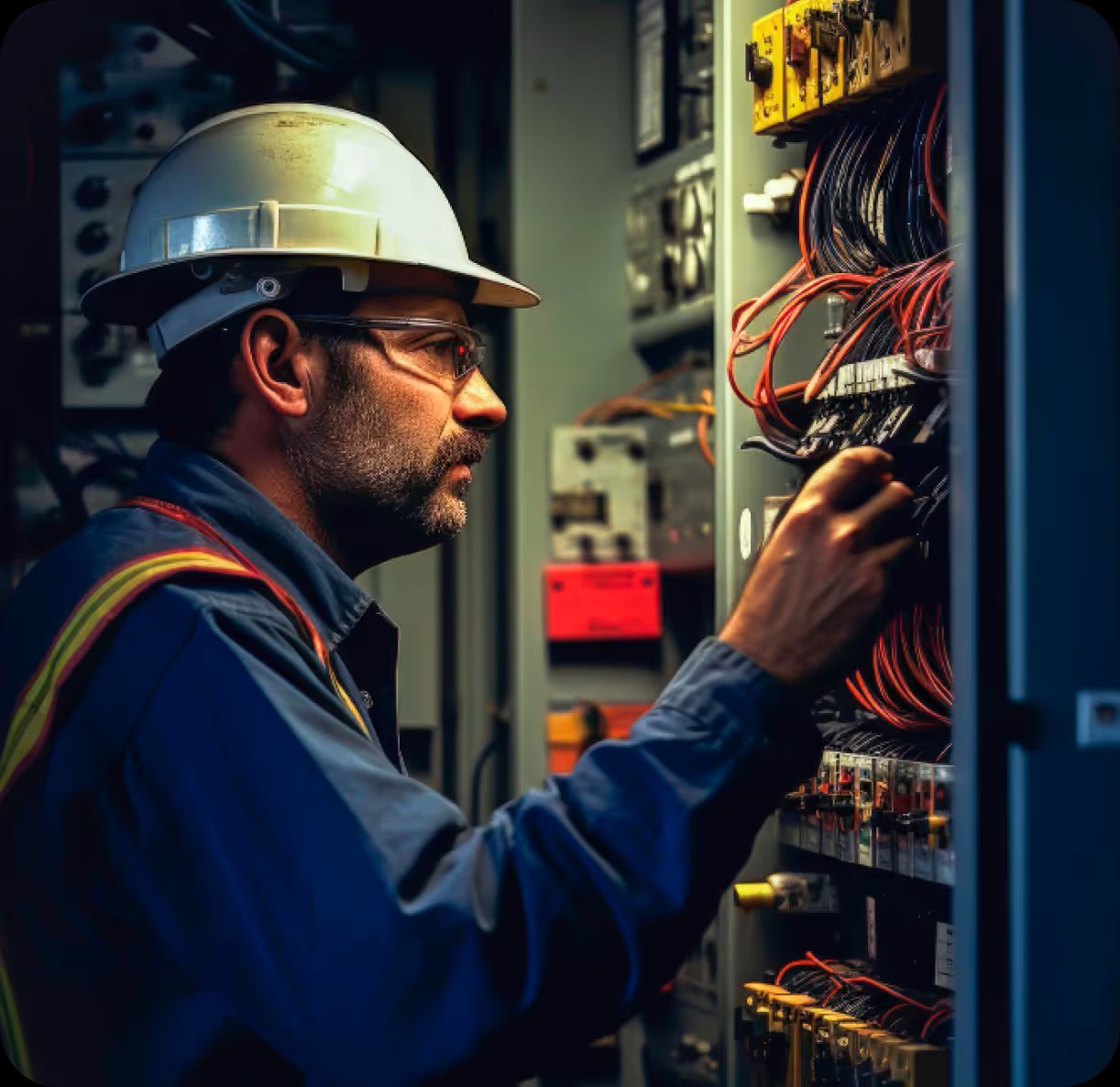
One certified electrician can assist you in this process to obtain an accurate and personalized calculation.
To calculate your real needs, start by making a detailed list of each electrical appliance and its wattage. This information is usually found on the device's data label or in its user manual. The objective is To estimate the maximum load if several devices were working simultaneously.
The use you make of your equipment is just as important as its nominal power. You're probably not using your iron and washing machine while the heater is on full throttle. It is therefore necessary to adjust the calculation according to hours of use and lifestyle habits to obtain a realistic estimate of electricity demand.
Here are some examples of power per current device:
These numbers give you a Starting point to establish your consumption profile.
Your life is changing, and your electricity needs are following the same path. During the evaluation of your electrical panel, it is essential to think about your future projects. Installing energy-intensive equipment can quickly overload an existing system that seemed adequate.
For example, adding a charging station for an electric vehicle represents a continuous and significant load, often 7 to 11 kW. Likewise, an automatic generator, an outdoor hot tub, a central heat pump or an extension to your home are projects that require a substantial additional electrical capacity.
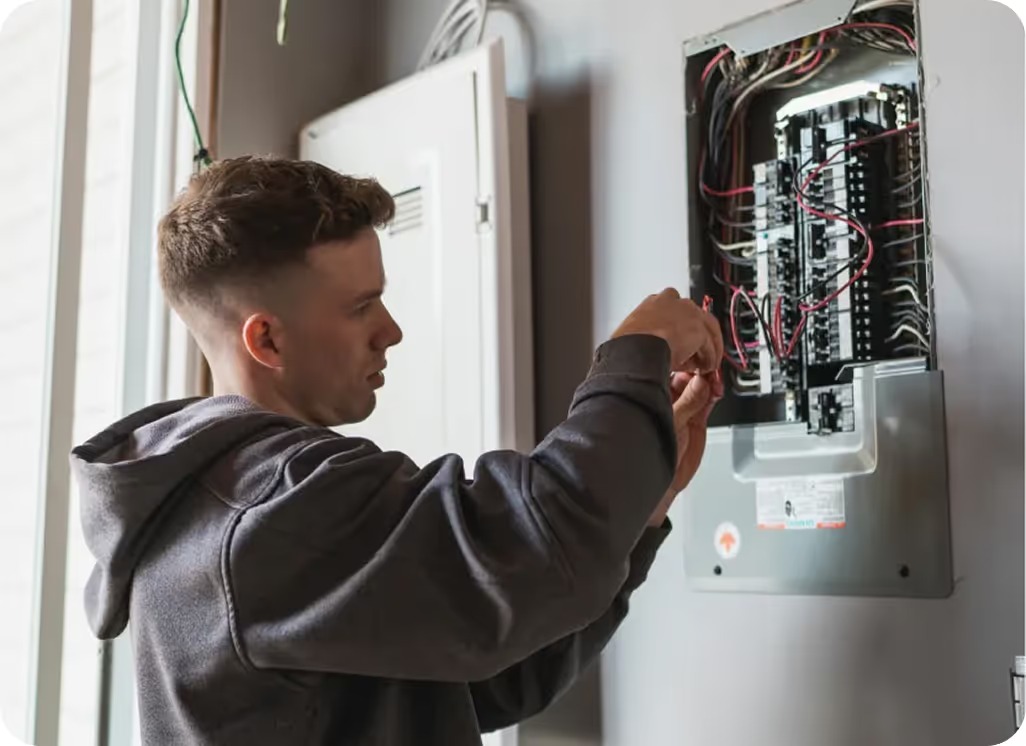
If your panel is already full or close to its limit, an electrical panel upgrade will be unavoidable. Not taking these future additions into account could require you to replace your panel much sooner than expected, with additional avoidable costs. One master electrician can help you assess the future burden and choose a panel that can support your long-term ambitions.
Once your current and future needs are assessed, choosing the right capacity for your panel becomes clearer. For most modern homes in Quebec, a panel of 200 amps has become the new standard. It offers enough maximum power to simultaneously power demanding devices such as a central air conditioner, an electric heating system and a charging station.
Before making a final decision, it is strongly recommended that you seek an evaluation from a qualified master electrician. This professional can perform an accurate load calculation according to your specific situation and recommend the capacity level. adapted to your lifestyle, whether it is 200 A, 320 A or even 400 A for very energy-intensive homes or properties with several homes.
Calculating the total electrical load is a key step in correctly sizing your panel. The simplest method is to Add up the power (in watts) of all the devices that may be operating simultaneously in your home.
For example, the heater and the refrigerator work continuously or in frequent cycles, while the washing machine and dishwasher can be used at different times of the day. Your calculation should reflect this realistic use for estimating maximum power demand. without unnecessarily overvaluing your needs.
Let's take a concrete example for a 100 m² house:
The installation or replacement of an electrical panel must comply with current standards, in particular the Quebec Construction Code, Chapter V — Electricity. These strict regulations ensure the safety of electrical installations and protect occupants from the risks of fire and electrical shock.
A new panel must be designed with CSA or ULC certified components and installed according to the rules of the art by an electrician with the appropriate qualifications. Call on a master electrician who is a member of the Corporation of Master Electricians of Quebec (CMEQ) assures you that your installation complies with the most recent standards.
At the end of the work, you will receive an official certificate of conformity. This document is a valuable asset for your home insurance and for the possible resale of your property, because it certifies that everything meets current electrical standards in Quebec.
If your panel is old, hot to the touch, or shows signs of corrosion, it is likely that it no longer meets current standards. An inspection by a professional is the only way to know for sure if your installation meets electrical standards and guarantees your safety.
Understanding the power requirements of your electrical panel is much more than a simple technical question. It's an investment in your family's safety, comfort, and peace of mind. By properly assessing your current needs and anticipating future plans, you can ensure that your electrical installation can meet the demands of your lifestyle for many years to come.
This proactive approach not only prevents everyday annoyances like repeated power outages, but it also protects you from the potential dangers associated with an overloaded system. A well-sized panel ensures that each device will function optimally, without compromising your safety.
Do you have questions about the capacity of your current electrical panel? Are you planning renovations or the addition of energy-consuming equipment? Don't wait for problems to happen. Contact us today for a personalized assessment of your needs. Taking these steps now will ensure a safe, reliable and efficient electrical installation for the future.